

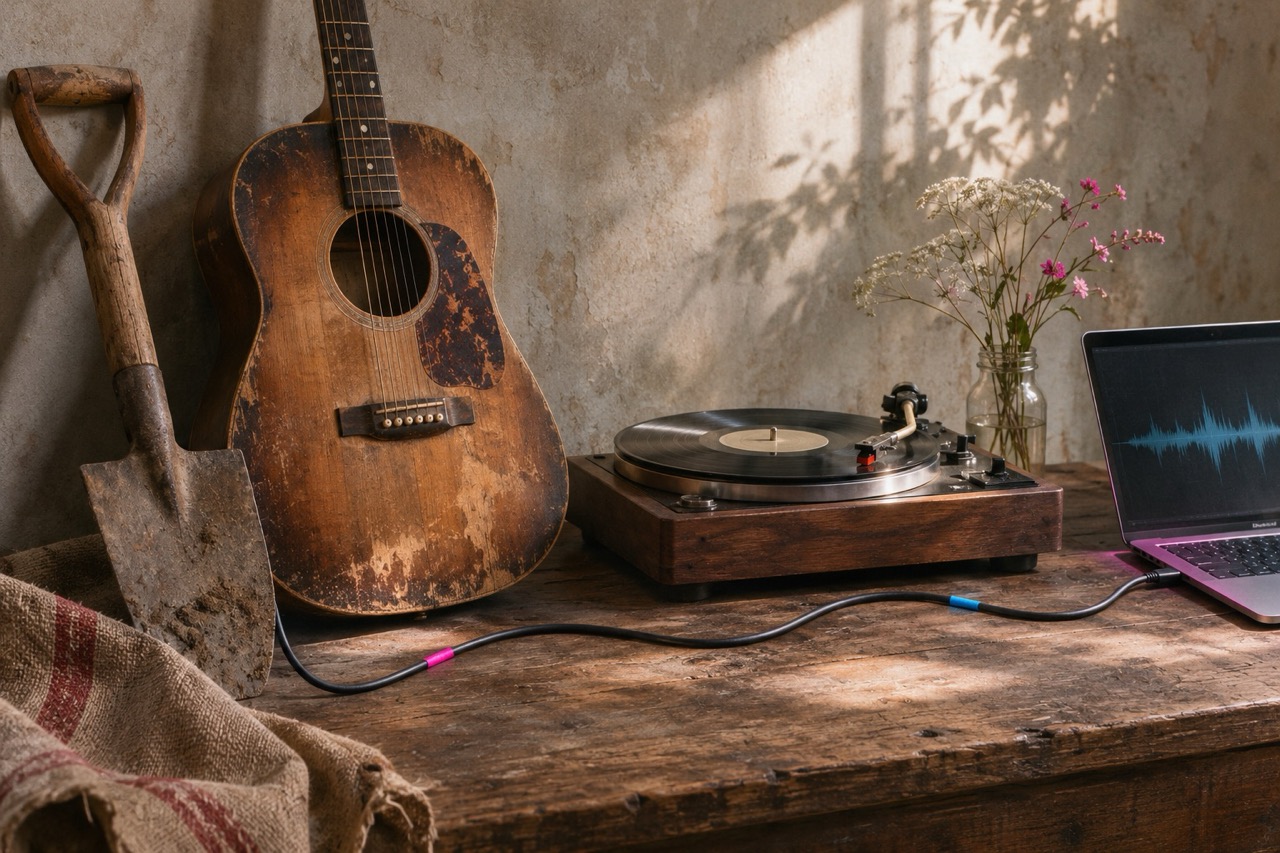
Protest music is humanity’s oldest counter-narrative. Long before printing presses, mass media, or digital streaming platforms, communities used song to broadcast dissent, document oppression, and preserve collective memory. From the agrarian rebellions of the Middle Ages to the stadium rock and digital hip-hop of the modern era, musicians have consistently used melody to challenge the status quo.
🌾 1. Pre-Industrial Rebellions: The Soil of Dissent (1381–1650)
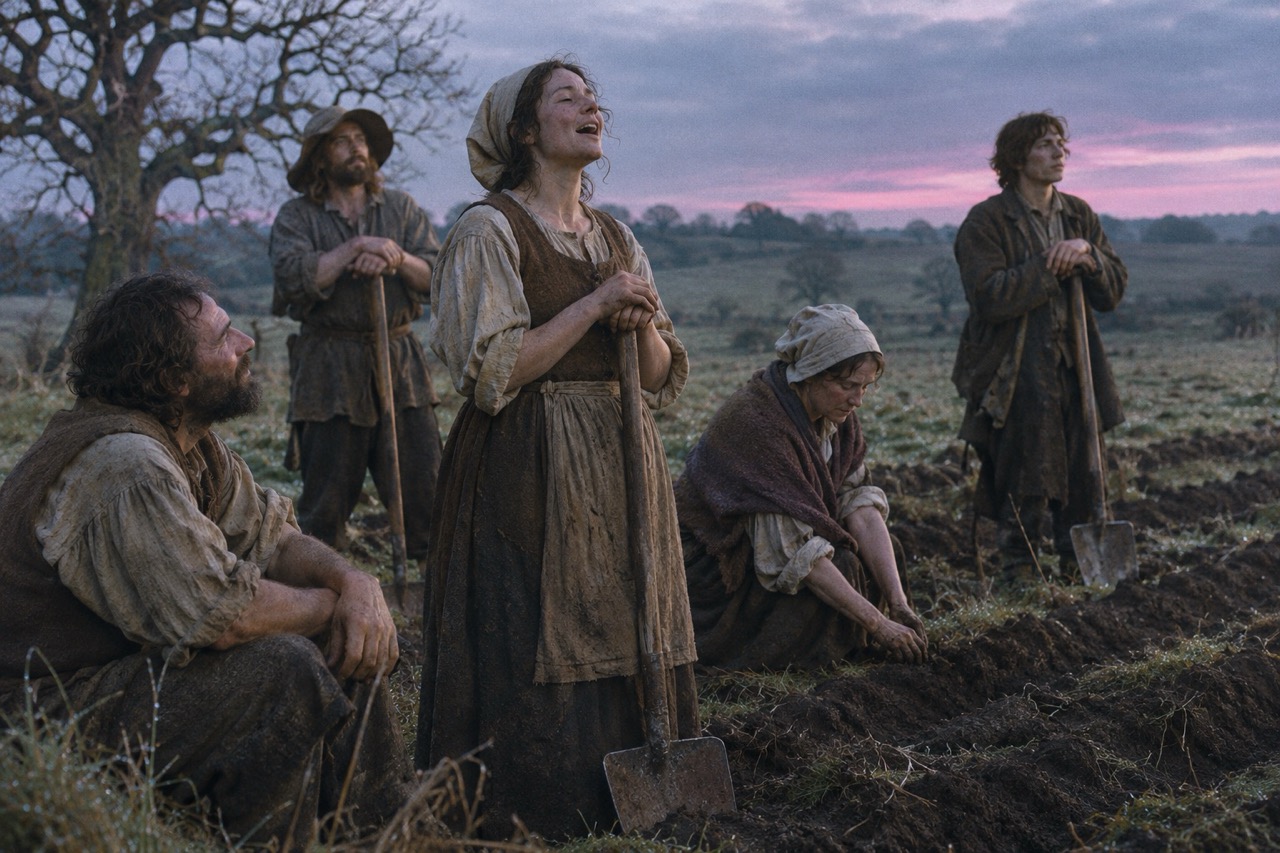
The origins of the English-language protest song lie in the radical soil of agrarian uprisings. During the 1381 Peasants' Revolt in England, the radical cleric John Ball galvanized an army of economic rebels using rhyming, subversive couplets.
His famous rhetorical question — "When Adam delved and Eve span, who was then the gentleman?" — was the text of a sermon he preached to the rebels at Blackheath. It became one of the earliest recorded egalitarian slogans in English, arguing that class hierarchy had no place in the divine order.
Nearly three centuries later, economic desperation sparked the Diggers' occupation of 1649–1650. A group of agrarian communists led by Gerrard Winstanley occupied common land to farm it collectively, defying private landlords. Their struggle was immortalized in "The Diggers' Song" (also known as "You Noble Diggers All"). The ballad directly attacked the ruling gentry and clergy, functioning as a musical bulletin for the dispossessed:
"The gentry must come down, and the poor shall wear the crown. Stand up now, Diggers all."
🪵 2. The Dust Bowl and Labor Struggles: Woody Guthrie (1930s–1940s)
As the industrial age took hold, protest music migrated into labor halls, mining camps, and picket lines. By the 1930s, the hardships of the Great Depression and the ecological catastrophe of the Dust Bowl radicalized folk music.
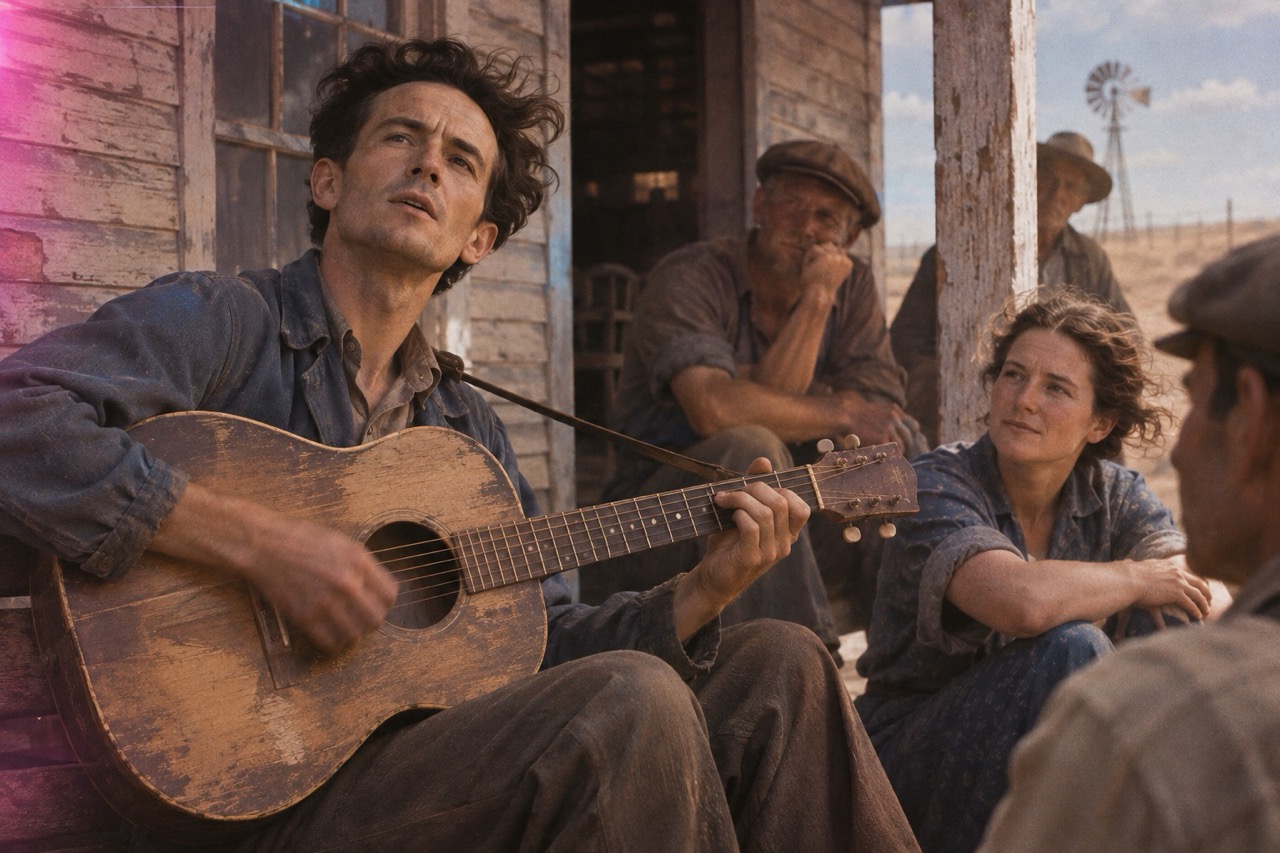
The defining voice of this era belonged to Woody Guthrie. Stripping away the polished arrangements of popular radio, Guthrie traveled the United States with an acoustic guitar bearing the famous inscription: "This Machine Kills Fascists."
"This Land Is Your Land" (1940): Written as a rebuttal to Irving Berlin’s ubiquitous "God Bless America," Guthrie’s song originally included verses about a "private property" sign and people lined up at the relief office, lines usually dropped when it’s sung today.
"All You Fascists Bound to Lose" (1944): A rowdy, anti-oppression fight song targeting both overseas axis powers and homegrown union-busters.
✊ 3. Civil Rights and Radical Urgency: Nina Simone (1950s–1960s)
The Civil Rights Movement marked an era where the acoustic, collective ethos of folk integrated with jazz, blues, and gospel. While figures like Pete Seeger popularized the unifying anthem "We Shall Overcome," other artists introduced a raw, unvarnished rage to the movement.
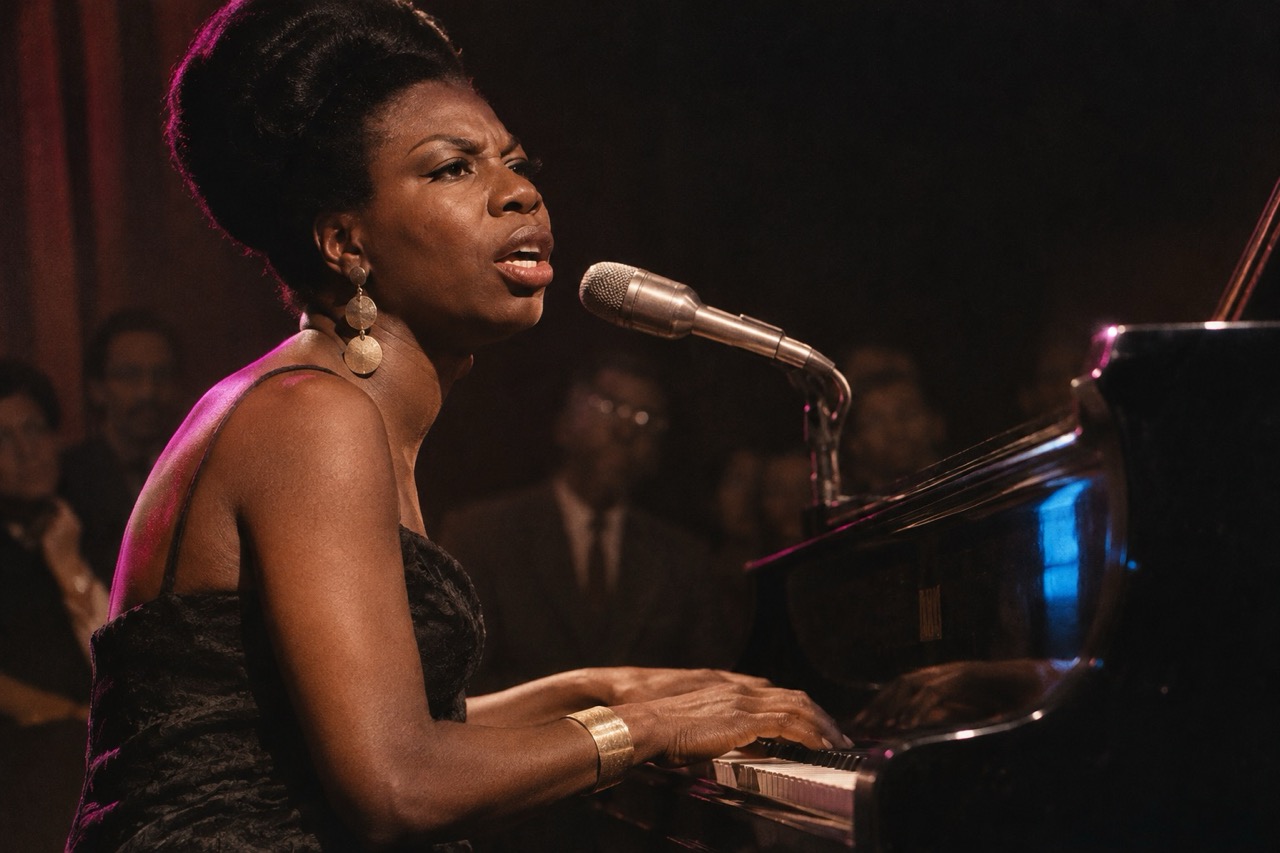
Following the 1963 assassination of civil rights activist Medgar Evers and the church bombing in Birmingham, Alabama, classical piano prodigy turned jazz icon Nina Simone fundamentally altered the emotional landscape of protest music.
"Mississippi Goddam" (1964): Written in a furious burst of inspiration, this song abandoned the polite, incrementalist approach of non-violence. Sung like a show tune but armed with a searing, uncompromising critique of systemic racism, Simone demanded immediate equality, completely disregarding white comfort.
The Legacy: Simone’s willingness to risk her commercial career for political revolution set a precedent for every radical artist who followed, paving the path for the explosive counterculture music of the late 1960s.
🕊️ 4. The Vietnam War: The Soundtrack of a Divided Nation (1960s–1970s)
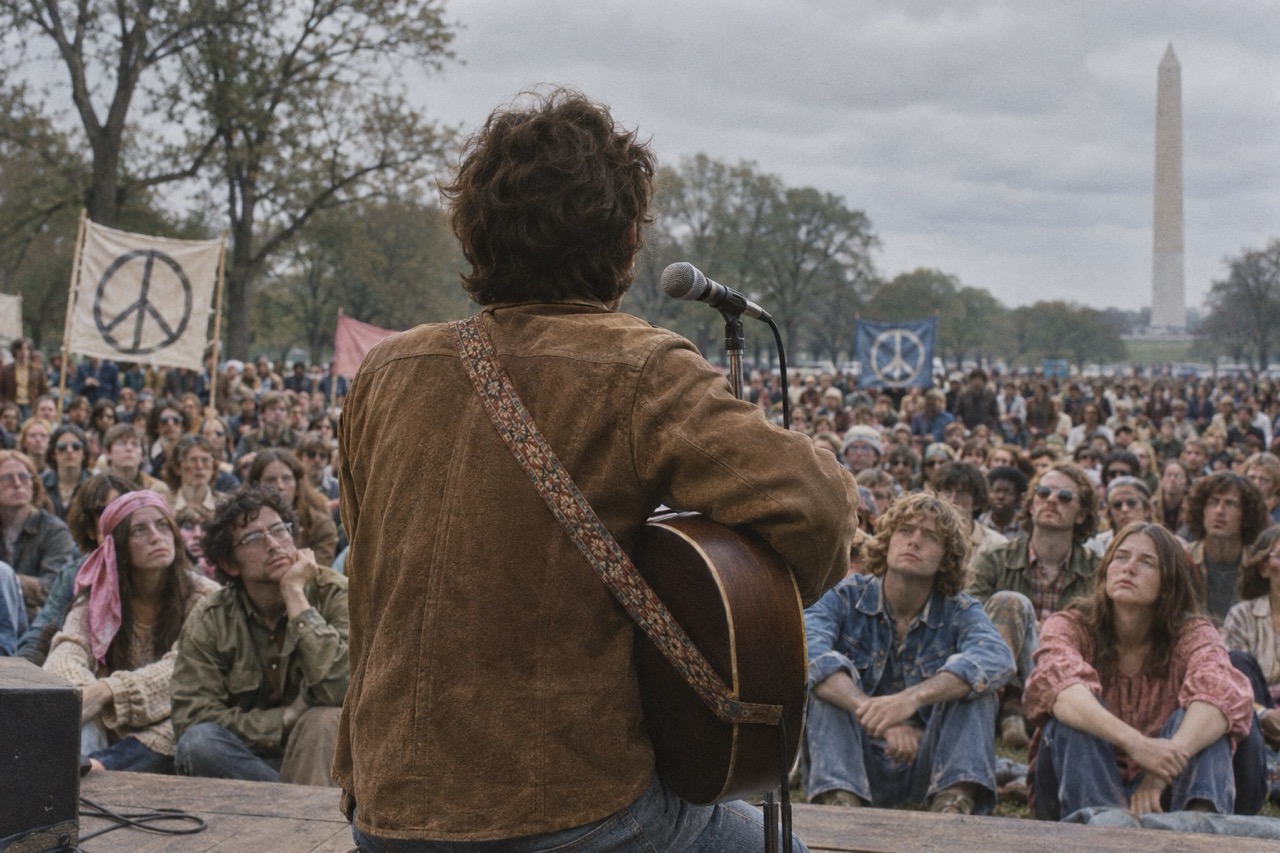
The Vietnam War was the first American conflict soundtracked by an unvarnished, mass-mediated counterculture. As the U.S. troop presence escalated, the acoustic folk movement collided with the raw energy of rock and roll. Music became more than entertainment; it served as a bulletin, a sanctuary, and a weapon of political dissent.
Bob Dylan and Joan Baez: Dylan's "Masters of War" (1963) predates the major escalation in Vietnam but became the era's defining attack on the military-industrial complex and the politicians who send young men to die, while Joan Baez used her platform to amplify draft resistance, even traveling to Hanoi during the devastating 1972 bombing campaigns to record the real-time audio of air-raid sirens for her track "Where Are You Now, My Son?"
Creedence Clearwater Revival (CCR): As the war progressed, it became glaringly apparent that the burden of fighting fell disproportionately on the working class. No song captured this class anger better than CCR's "Fortunate Son" (1969), a direct attack on institutional nepotism and the wealthy elite who wave the flag but use their privilege to shield their own children from combat.
Crosby, Stills, Nash & Young (CSNY): By 1970, the war spilled directly onto American soil. Following the tragic shooting of unarmed student protestors by the National Guard at Kent State University, Neil Young immediately penned "Ohio" (1970). Recorded by CSNY just weeks after the tragedy, the song bypassed all metaphors to name names, pointing a direct finger at the Nixon White House.
James Taylor: Approached the war through a deeply personal, intimate lens. His somber tracks like "Soldiers" (1971) and the later retrospective "Native Son" (1991) captured the quiet trauma and isolation carried by veterans returning to an indifferent homeland.
🌊 5. The Spiritual Weapon: Bob Marley and Roots Reggae (1970s)
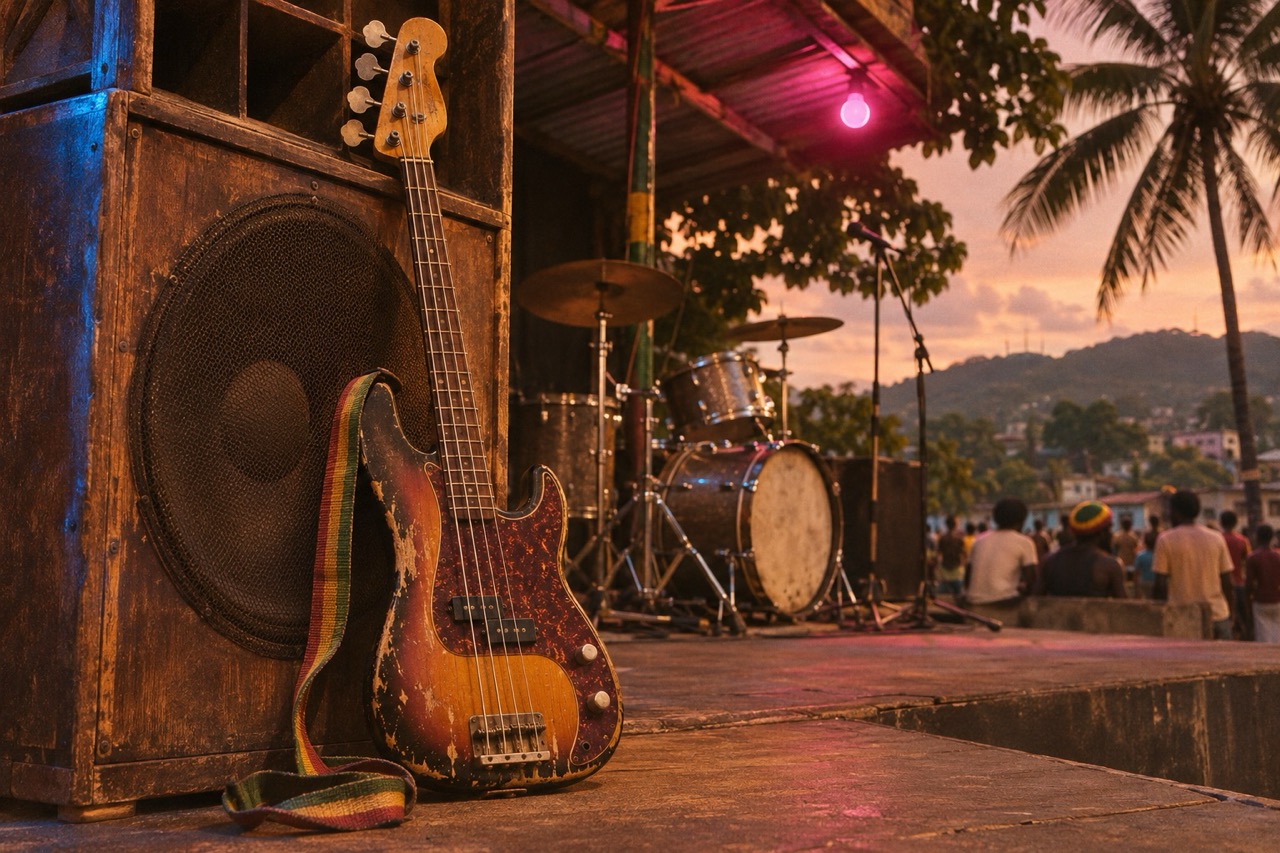
From the impoverished streets of Kingston arose Roots Reggae—a genre that transformed Jamaican popular music from ska and rocksteady dance music into a globally recognized sonic weapon against oppression, colonialism, and systemic corruption. At the center of this spiritual and political revolution stood Bob Marley.
Built on the Rastafari faith and an explicit rejection of "Babylon" (the corrupt power structures of the Western world), Marley used a heavy, hypnotic "One Drop" rhythm to carry profound socio-political messages.
"Get Up, Stand Up" (1973): Co-written with Peter Tosh, this track is a fierce anthem urging the oppressed to reject religious manipulation and fight for their human rights here on Earth.
"War" (1976): Marley took a 1963 speech delivered by Haile Selassie to the United Nations and set it directly to a rigid, militant reggae rhythm, creating a global blueprint for racial and social justice.
"Redemption Song" (1980): Recorded as Marley was privately battling the illness that would claim his life, this acoustic masterpiece delivered his final, haunting thesis on human freedom, borrowing from Marcus Garvey to urge listeners: "Emancipate yourselves from mental slavery; none but ourselves can free our minds."
⚡ 6. The Fire and the Blueprint: Punk Rock vs. Post-Punk (1970s–1980s)
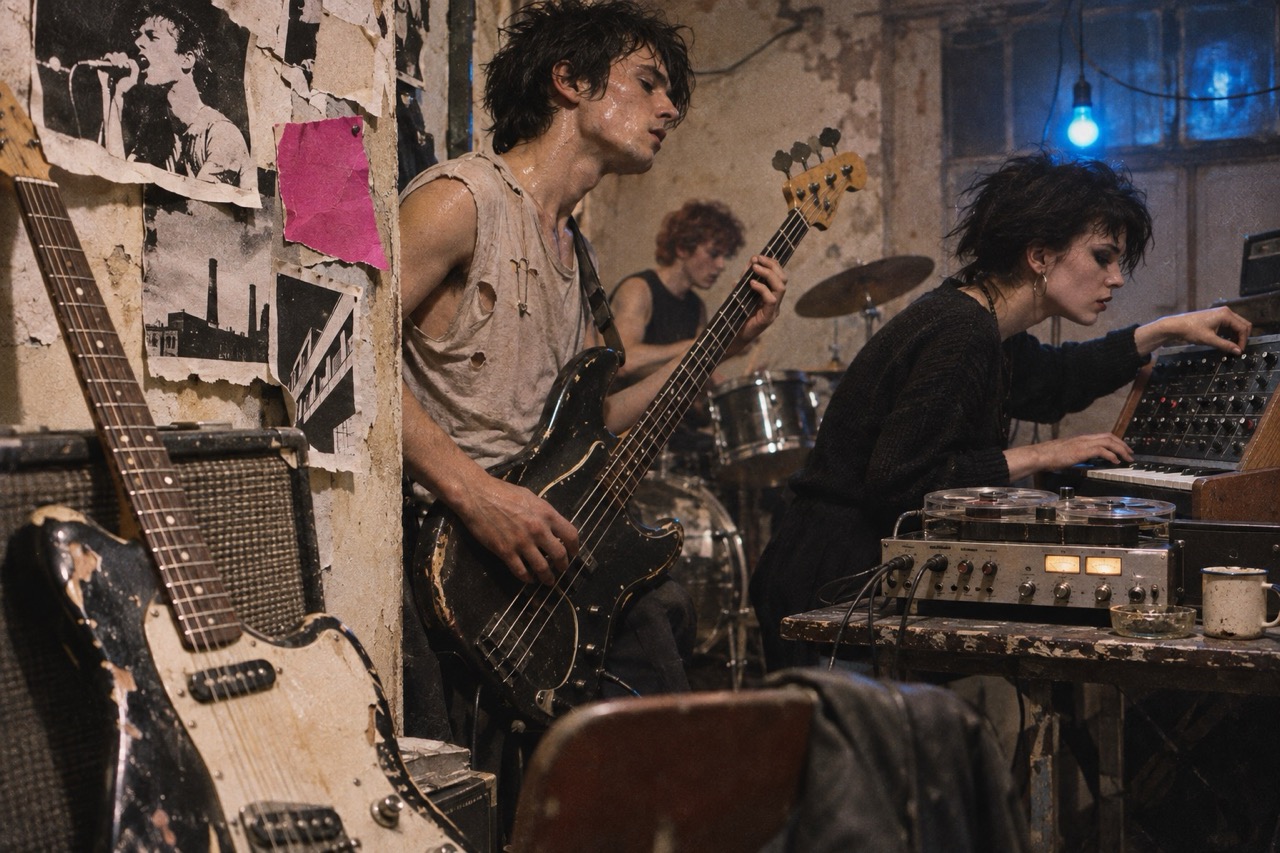
In the late 1970s, a sonic explosion leveled the landscape of popular music. The emergence of Punk Rock smashed the indulgence of stadium rock, substituting it with a raw, democratic fury. Yet, almost as soon as the initial explosion cleared, Post-Punk emerged from the debris. While Punk Rock was an act of scorched-earth destruction, Post-Punk was the architectural rebuilding process.
Punk Rock (The Sex Pistols, The Clash): Pure negation. It relied on explosive rage, thick walls of guitar distortion, and overt shock value to target monarchy, unemployment, and state oppression. The Sex Pistols' "God Save the Queen" (1977) notoriously asserted that the working-class youth had "no future."
Post-Punk (Gang of Four, Joy Division, The Slits): Intellectual and experimental. Post-Punk kept punk's independent Do-It-Yourself (DIY) ethics but discarded its musical limitations, looking to dub reggae, funk, and synthesizers to explore corporate alienation and mental health. Gang of Four's "Damaged Goods" (1979) hid Marxist political theory inside a jagged, danceable rhythm.
🎤 7. The Black CNN: Public Enemy and the Golden Era of Hip-Hop (Late 1980s)
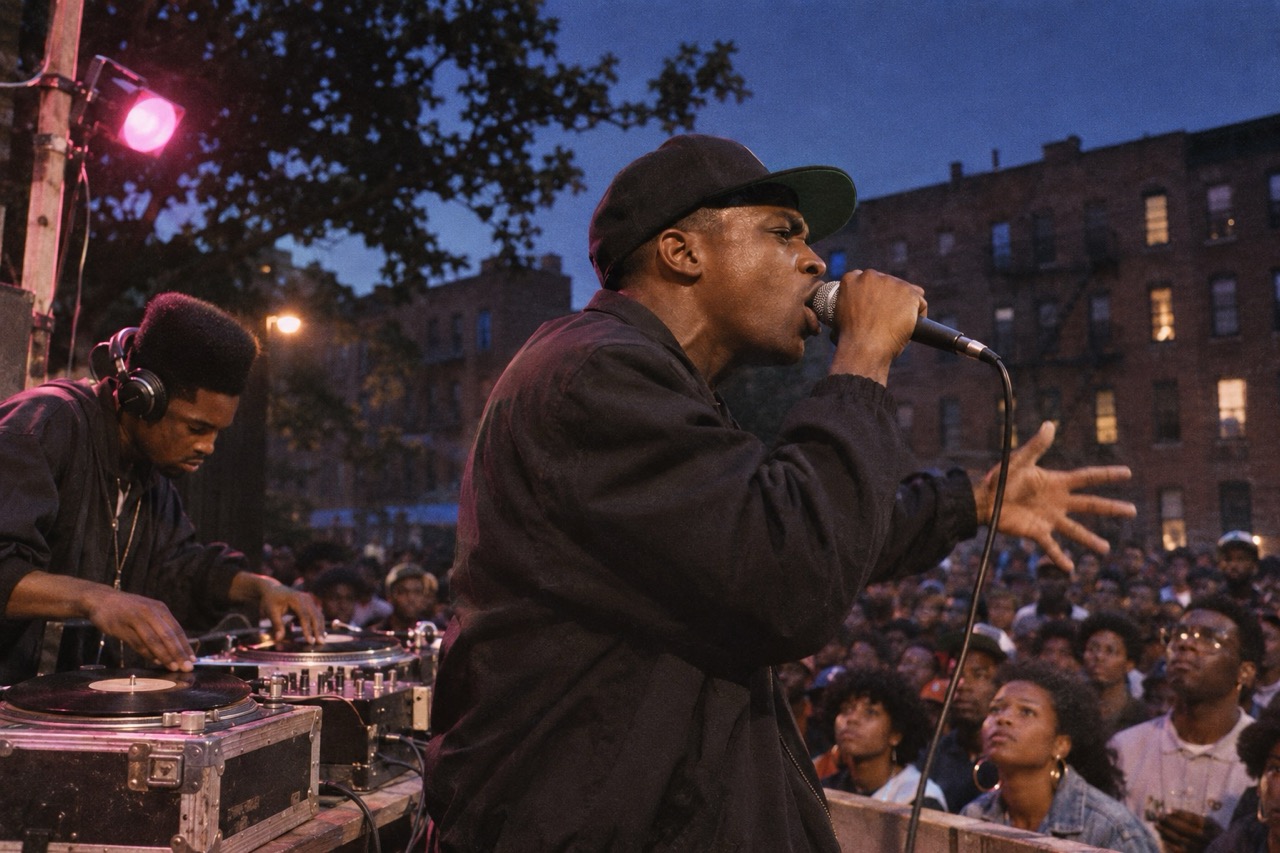
As the industrial landscape fractured, the definitive vehicle for radical political resistance shifted toward hip-hop. Emerging from urban centers under siege by redlining, economic neglect, and the crack epidemic, turntables and samplers replaced guitars as the primary weapons of dissent. Frontman Chuck D famously remarked that rap music was "the Black CNN," broadcasting the realities of urban Black America that corporate news media ignored.
At the peak of this movement stood Public Enemy. They replaced traditional, clean hip-hop loops with a dense, chaotic wall of noise engineered by the Bomb Squad—layering sirens, screeching jazz samples, and industrial clangs to mimic the real-time anxiety of the inner city.
"Fight the Power" (1989): Originally written for Spike Lee’s cinematic masterpiece Do the Right Thing, this track was a tactical demolition of American white cultural hegemony. Chuck D used his booming voice to deconstruct revered national icons while demanding psychological and institutional liberation:
"Elvis was a hero to most / But he never meant sh* to me you see / Straight up racist that sucker was / Simple and plain / ... Most of my heroes don't appear on no stamps."
The Paradigm Shift: Public Enemy proved hip-hop could be explicitly revolutionary, setting a blueprint for collective activism, historical re-education, and militant resistance against police brutality and judicial corruption.
🏭 8. The Voice of the Heartland: John Mellencamp (1980s)
While hip-hop attacked systemic urban warfare, American "Heartland Rock" chronicled a different kind of devastation: the collapse of the American family farm during the 1980s Farm Crisis. John Mellencamp bypassed the romanticized myths of rural Americana to document a brutal economic reality.
Mellencamp channelled his anger into raw, roots-rock anthems that paired infectious, radio-friendly hooks with deeply somber, angry commentary on corporate greed.
"Rain on the Scarecrow" (1985): The definitive anthem of the Farm Crisis, describing a multi-generational farmer losing his land to the bank: "Rain on the scarecrow, blood on the plow / This land fed a nation, this land made me proud."
"Pink Houses" (1983): A sharp, cynical examination of the fracturing American Dream, pointing out the stark wealth gaps hiding behind suburban imagery.
Farm Aid: Recognizing that songs were not enough, Mellencamp co-founded Farm Aid in 1985 alongside Willie Nelson and Neil Young. The permanent advocacy organization has raised millions through annual concerts, funding emergency financial relief, legal defense lifelines, and successfully lobbying Congress for the 1987 Agricultural Credit Act to prevent immediate foreclosures.
🪕 9. The Eco-Conscious Jam: Dave Matthews Band (1990s–2000s)
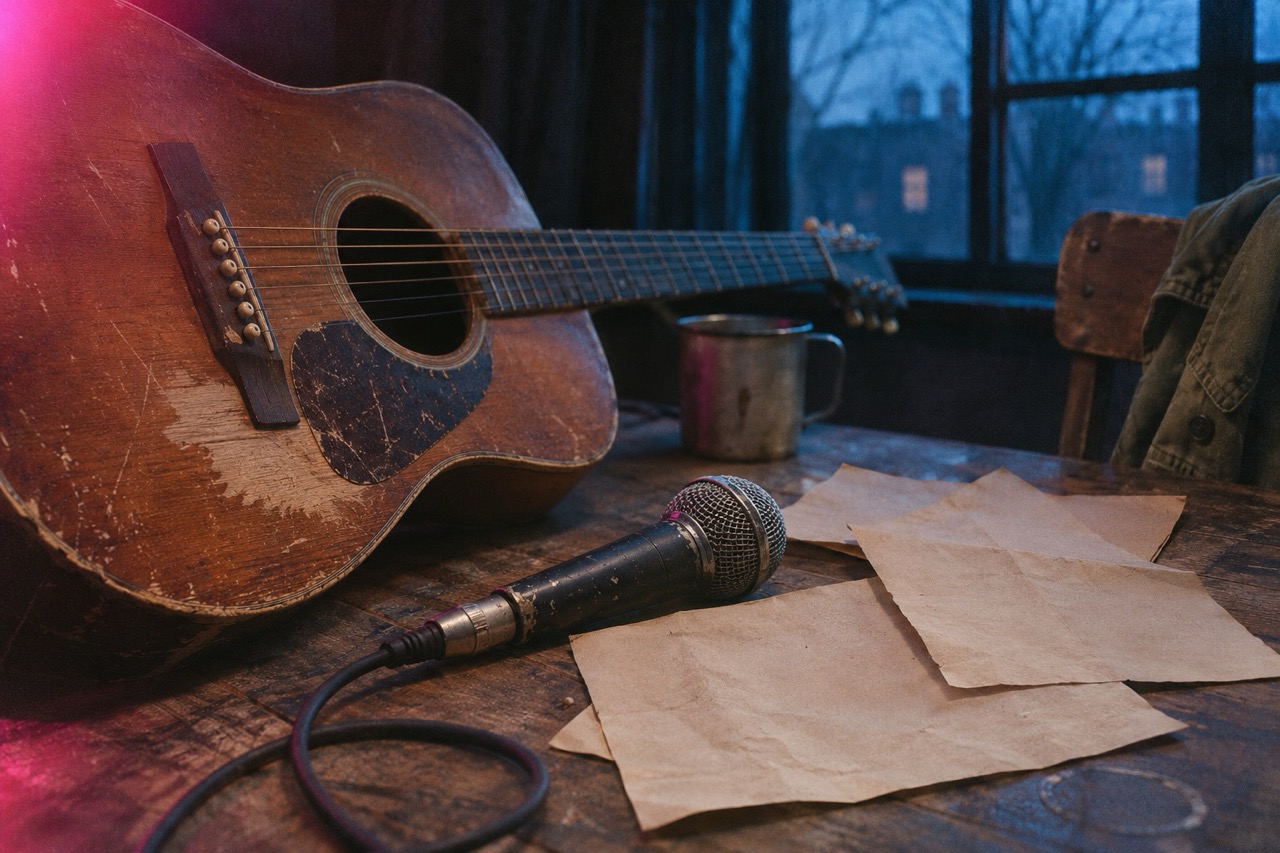
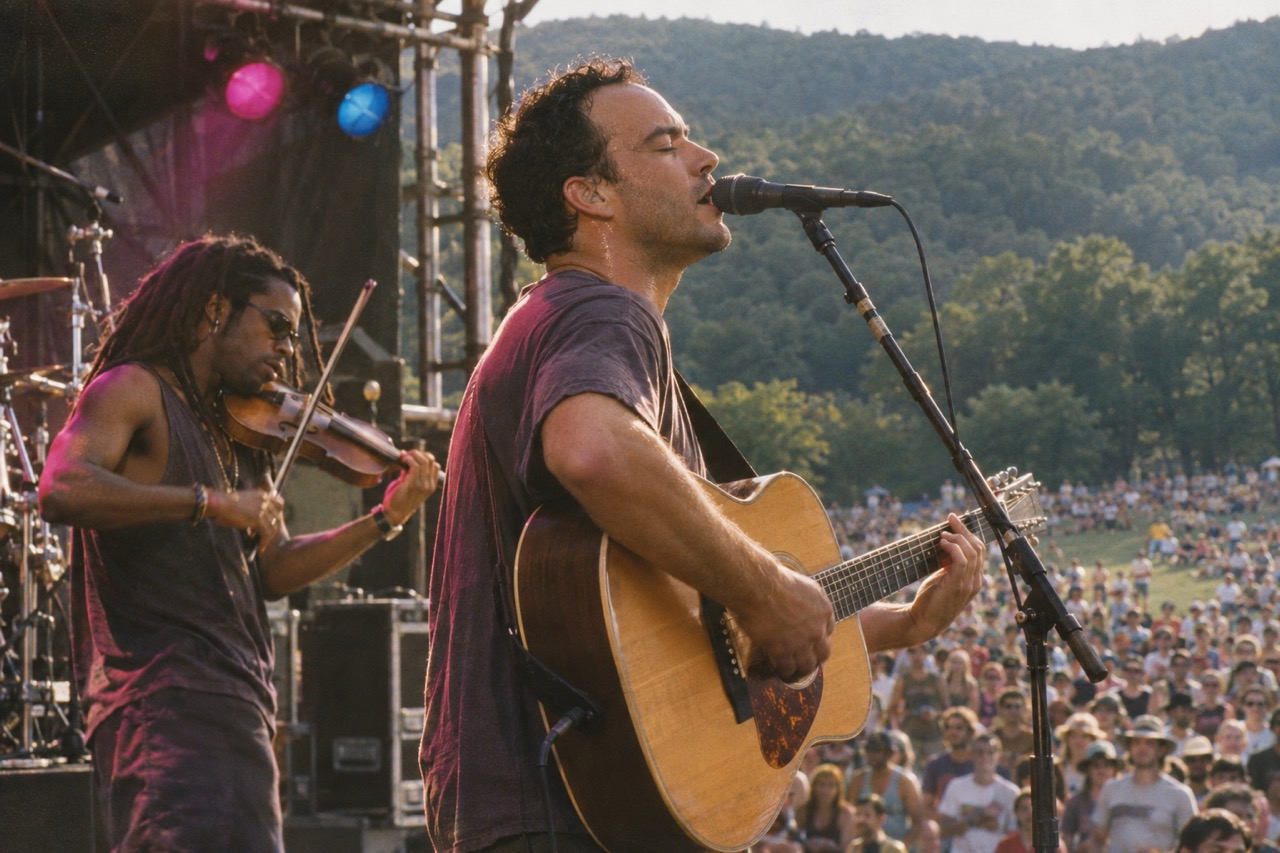
By the 1990s, the Dave Matthews Band (DMB) pioneered a unique, musically intricate approach to dissent. Born in South Africa during apartheid, Dave Matthews wrapped urgent critiques of environmental destruction, imperialism, and corporate greed inside polyrhythmic, jazz-infused acoustic jam-rock.
Matthews mastered the "Trojan Horse" song, embedding heavy, radical critiques inside danceable open-air stadium anthems.
"Too Much" (1996) & "Don't Drink the Water" (1998): "Too Much" is a blistering critique of American overconsumption and waste, while "Don't Drink the Water" functions as a heavy, ominous indictment of colonialism, forced displacement, and resource theft.
"The Last Stop" (1998): One of the darkest, most aggressive tracks in the DMB catalog, it utilizes a frantic, Eastern-influenced Phrygian dominant scale to mount a furious assault on religious hypocrisy, nationalism, and the justification of violence in the name of holy war.
Activism: In 2001, Matthews officially joined the Board of Directors of Farm Aid, bringing his massive fan base to the cause and consistently championing local, eco-conscious, and sustainable agriculture.
📺 10. The Architecture of Hysteria: Green Day (2000s)
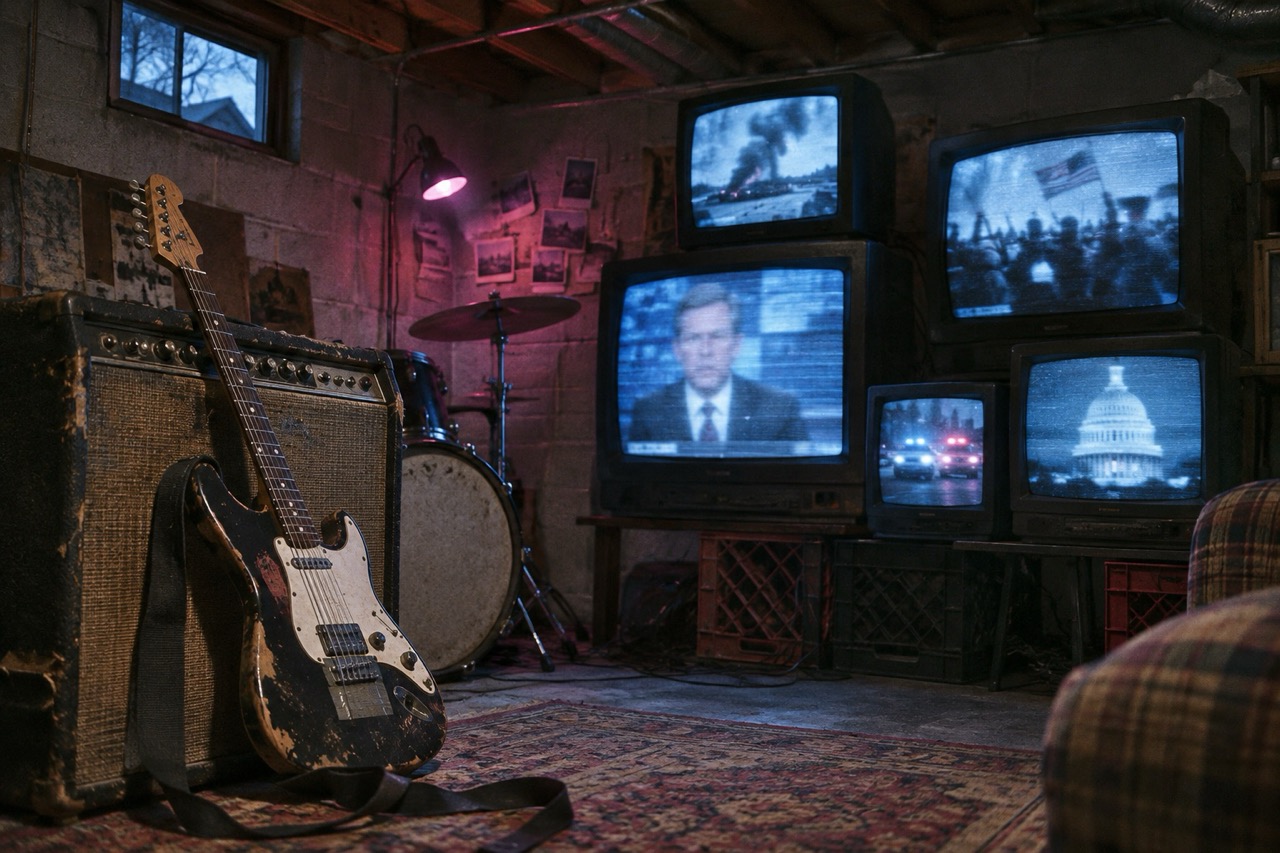
The years immediately following September 11, 2001, introduced a profound silence to American mainstream culture due to heavy hyper-nationalism and media-saturated compliance. In 2004, Green Day shattered this manufactured consensus with American Idiot, engineering a sprawling, multi-platinum punk-rock opera that became the definitive soundtrack to the post-9/11 resistance.
"American Idiot": Bypassed the politicians to attack the 24-hour cable news cycle and the psychological state of the citizenry, warning against a nation surrendering its autonomy to a manufactured, profitable panic: "Don't want a nation under the new mania / And can you hear the sound of hysteria?"
"Holiday": A direct, unapologetic strike against the Iraq War itself, contrasting the sanitization of war with the grim reality of casualties and imperialist corporate greed.
"Jesus of Suburbia": Green Day funneled their fury into a central protagonist across the album, mapping out the exact psychological trauma, isolation, and dangerous allure of self-destructive nihilism felt by the youth generation of the era.
🦋 11. The Modern Griot: Kendrick Lamar and the Black Lives Matter Movement (2010s–Present)
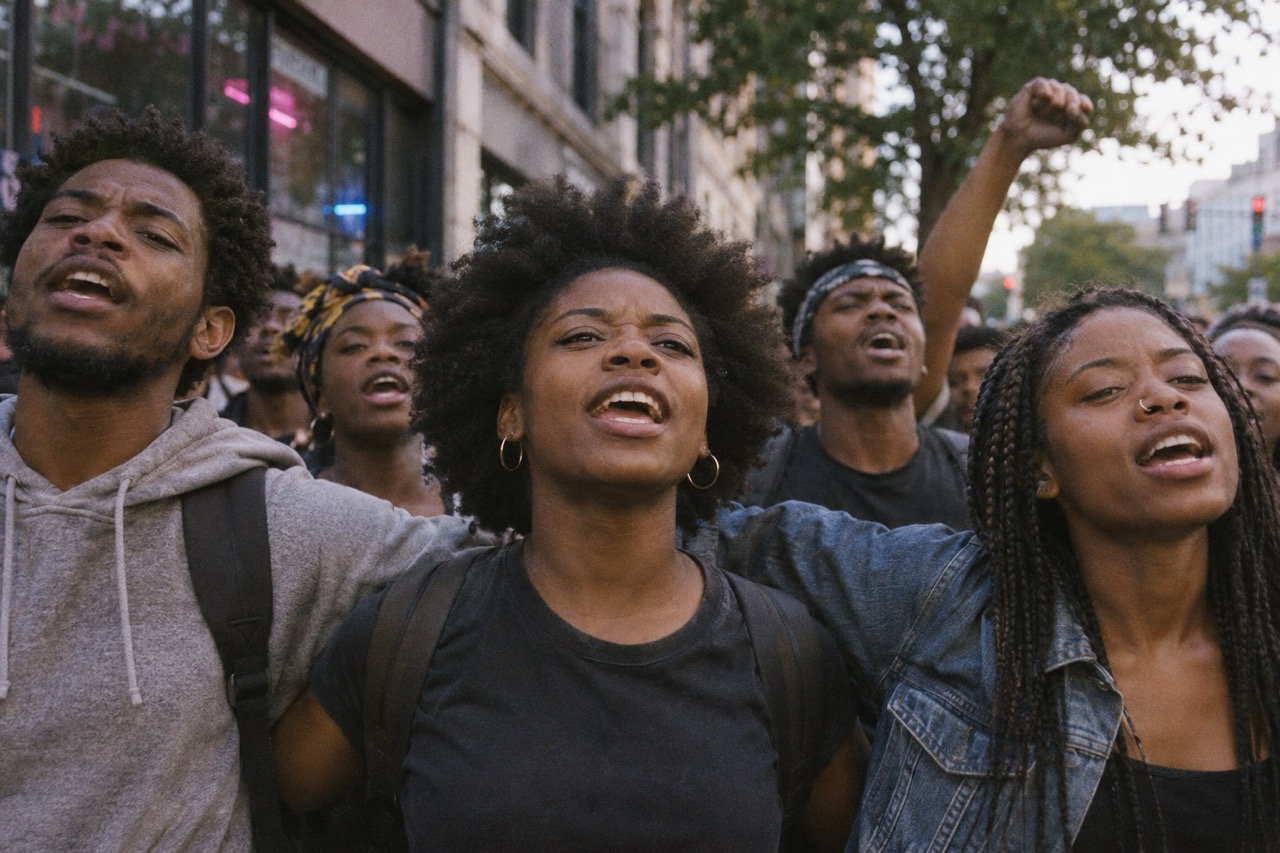
As the 21st century progressed, the institutional violence that Public Enemy shouted down evolved, but it did not disappear. In the wake of structural racism and the rise of the Black Lives Matter movement, Kendrick Lamar emerged as the definitive political poet laureate of his generation. He abandoned contemporary pop-rap trends, blending avant-garde jazz, spoken-word poetry, and West Coast hip-hop to craft panoramic, cinematic concept albums.
"Alright" (2015): Featured on his magnum opus To Pimp a Butterfly, this track became an unofficial anthem for racial justice. While the verses confront deep personal demons, historical trauma, and systemic police violence, the chant-like jazz chorus serves as a fragile, resilient shield of hope for communities under siege:
"Alls my life I has to fight, n*** / ... / But if God got us then we gon' be alright."
The Pulitzer Legacy: Lamar's work did not just capture a moment; it redefined the literary and cultural value of street journalism. When his follow-up, DAMN., won the 2018 Pulitzer Prize for Music, Lamar became the first non-classical, non-jazz artist to receive it, proving that the raw lived experience of Black America could challenge the highest institutions of art while providing a survival manual for marginalized people worldwide.
🤖 12. The New Digital Folkway: AI and the Automation of Dissent
The history of the protest song has officially breached its most surreal frontier: we have arrived at a point where the weapon of dissent is an algorithm. Using generative music platforms like Suno, a new generation of creators is carrying on humanity's most ancient tradition with cutting-edge technology.
The Ultimate Democratization: AI has nearly eliminated the technical barrier to entry. An activist or ordinary citizen can type a paragraph of raw political fury into a prompt box, choose a genre, and generate a fully arranged, radio-ready anthem in under two minutes to voice localized grievances.
The Sovereign, Anonymous Rebel: Historically, protest singers risked everything. AI music changes the mechanics of artistic risk through pseudonymity, allowing creators to voice radical, anti-institutional critiques with less exposure to professional doxxing, digital blacklisting, or personal retaliation (though accounts, payment details and platform moderation still leave a trail).
The Grand Irony: In a fascinating twist of historical recursion, some of the most visible protest music in the AI era is actually directed against the AI companies themselves. Musicians worldwide have rebelled against the unauthorized scraping of their catalogs, even teaming up on Is This What We Want?, a 2025 album of silent recordings from empty studios released by more than 1,000 UK musicians, to demand an end to music theft for AI training.

The Unbroken Thread
When we look at this entire historical tapestry, the connective tissue binding John Ball directly to the modern AI music creator is undeniable.
The reclamation of the common space has shifted from physical dirt to the digital commons. The battle against the information monopoly has moved from the medieval Church to the 24-hour news cycle, the "Black CNN" of early rap, and digital algorithms. The democratic instrument has evolved from the cheap acoustic guitar to the turntable sampler, the three-chord punk bass, and finally, the prompt window.
The ultimate lesson of this 650-year chronology is that protest music is software, not hardware. The tools change completely, but the human impulse to cry out against injustice remains unchanged.