


A well-made petit four takes real craft. A little cake, a little frosting, something decorative on top, and it's gone in a few bites, so every bite has to count. ARDEN's XO, Arden is twelve of them, wrapped in pink satin and served with romantic anxiety, youthful self-examination, and the occasional broken heart.
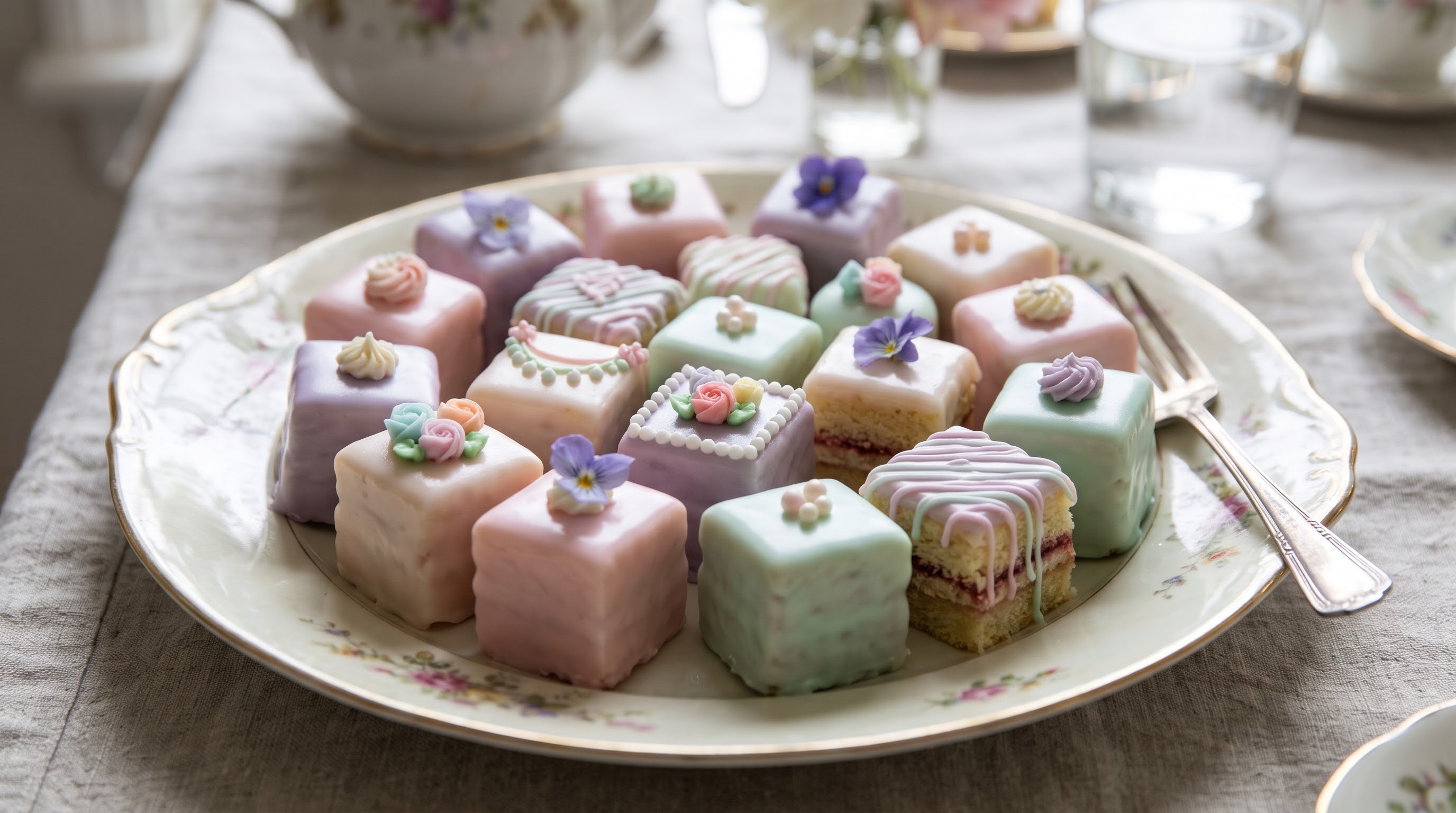
This is princess pop: strawberry frosting, an afternoon spent staring at a phone wondering why nobody has answered. Four-chord progressions carry much of the album, the arrangements stay simple, and the hooks show up on schedule. ARDEN's vocals are endearing, sometimes vulnerable, sometimes playful, and they suit the material. The production is clean and consistent, with enough variation in texture and presentation to keep the familiar musical vocabulary from becoming tiresome.
Four Chords and a Confession
Taylor Swift and her many musical offspring have spent two decades turning everyday romance into a hugely successful musical vocabulary, and ARDEN works comfortably within that tradition. The emotional stakes are modest and the conflicts recognizable. These songs inhabit a gentle world, where an unanswered text message can occupy an entire afternoon and provide sufficient material for a three-minute song. There is a considerable audience for this kind of music, along with considerable competition. The challenge is finding something memorable to say within a formula that has already been explored from nearly every angle.
The first four tracks demonstrate a more thoughtful approach to storytelling than their individual musical construction might suggest. "read at 2:17" introduces the message nobody answers. "almost" and "say you don't care" develop the situation, and then "delivered" shifts the perspective to the person who cannot bring themselves to reply. The silence turns out to have two people in it. "delivered" is particularly melancholy, giving the opening sequence an emotional weight that lingers beyond its four songs. Together they form a beautiful little self-contained drama, with the listener gradually discovering the other side of a familiar romantic predicament.
After that, the album loosens up, and each song functions much like a diary entry. A premise, an emotional position, a catchy chorus, and we're on to the next entry. Very little time is wasted. These are compact songs with relatively simple ambitions, and most accomplish what they set out to do. Their brevity is an advantage, particularly when the underlying musical ideas are familiar enough to require little explanation.
The limitations are easy to hear. The harmonic language rarely ventures beyond conventional pop territory, and the lyrics occasionally settle into predictable rhetorical patterns, delivering neatly packaged emotional revelations where a more specific observation might have carried greater weight. There are moments when the language feels curiously manufactured, particularly in songs presented as intimate confessions. Still, the hooks are strong enough and the performances appealing enough that these weaknesses seldom derail the music.
The Art of Arrangement
I approached XO, Arden as I would any specifically pop album intended for repeated listening, binged the album several times, and that is where some of its better qualities become apparent. Individual songs begin to distinguish themselves, certain hooks become more memorable, and the relationship between the tracks becomes clearer. The album rewards familiarity without demanding much effort from the listener.
"pick a version," the eighth track, and "you'd hate me now," the eleventh, emerged as the most immediately appealing pop songs.
Both are catchy, direct, and particularly satisfying on repeated listens. Their hooks are among the album's strongest, demonstrating how effectively ARDEN can work within a conventional pop framework. Neither ventures far from the established musical vocabulary, but both make a persuasive case for the pleasures of a well-constructed pop song.
The album's prettier, more emotionally affecting moments come from a different direction. "delivered" remains one of the strongest examples, while the closing title track, "XO, Arden," provides an altogether different kind of resolution.
An Overture in Reverse
Built around a piano ballad, "XO, Arden" serves as an overture in reverse. After eleven songs spent examining romantic uncertainty, disappointment, flirtation, and the small victories of everyday relationships, Arden finally turns the attention toward herself. The song gathers those experiences into a closing portrait of the person we've been listening to all along. Its sense of empowerment provides a satisfying conclusion to an album that has unfolded like a diary.
The sequencing deserves particular credit. Albums built from similarly constructed pop songs frequently develop an unfortunate stretch of sameness somewhere around the two-thirds mark, where the remaining material begins to feel interchangeable. XO, Arden largely avoids that problem. A few tracks inevitably run together, but the order keeps the record moving. The opening narrative establishes an emotional foundation, the stronger hooks arrive later in the collection, and the closing ballad provides a natural destination. There is a clear sense that the album has been considered as a complete listening experience.
That attention to construction is ultimately its most distinguishing quality. The individual songs rarely surprise, and their musical materials are thoroughly familiar. Yet the album maintains its personality through careful pacing and a consistent emotional perspective. The diary entries may be brief, but their arrangement gives the collection a coherence that the individual compositions might otherwise lack.
XO, Arden is unlikely to change anyone's understanding of contemporary pop music. Its pleasures are familiar, its emotional vocabulary accessible, and its musical construction firmly rooted in established conventions. Within those boundaries, ARDEN has produced an enjoyable and consistently listenable collection, with appealing vocals, memorable hooks, moments of genuine prettiness, and a surprisingly thoughtful sense of structure.
The individual pieces are modest, but the album makes a convincing case for the value of putting them in the right order.